

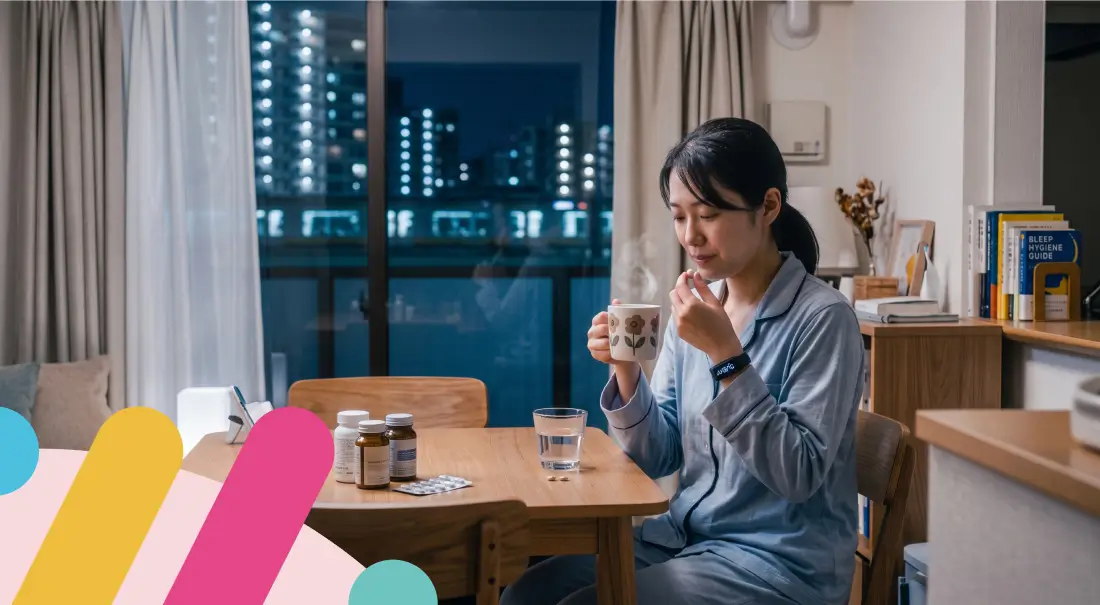
Sleepless in Japan: The Sleep Quality Growth Opportunity
Japan’s sleep problem is becoming a market opportunity Japan has long been associated with demanding work schedules, lack of sleep, and long commutes. In a survey of 33 OECD countries cited by the Ministry of Health, Labour and Welfare, Japanese people had the shortest average sleep duration, with 37.5% of men and 40.6% of women sleeping fewer than six hours a night. But the issue is no longer being viewed as simply a lack of sleep. Sleep is increasingly being

Lifestyle-First: How Japan Approaches Wellness
Wellness marketing has traditionally focused on the product, including its ingredients, features, functions, and measurable benefits. Those fundamentals still matter, particularly in Japan, where consumers expect quality, safety, credible evidence, and clear information, but they are increasingly only part of the overall value proposition. Consumers are also considering how a product fits into the life they want to lead. They may be looking for a calmer evening routine, a more balanced workday, an easier way to eat well, or a
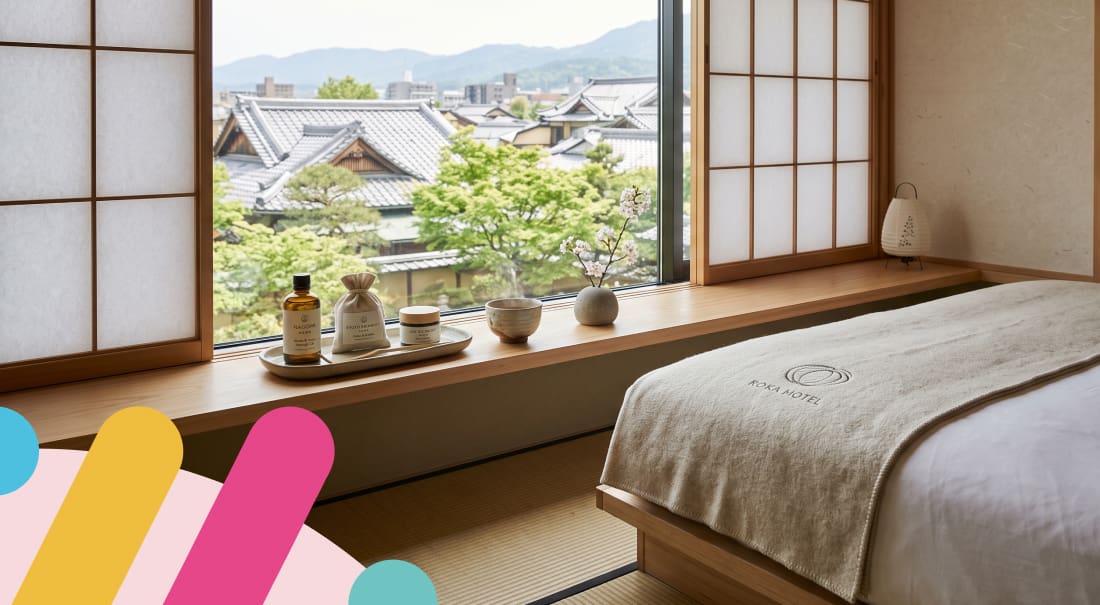
Japan Hotel Amenity Partnerships for Wellness Brands
The regular appearance of premium skincare, fragrance, and fitness brands in high-end hotels isn’t accidental. Hospitality has become a structured brand-discovery channel, supported by suppliers such as Hunter Amenities, which offers hotel collections from Le Labo, and Vanity Group, whose portfolio includes Grown Alchemist. These partnerships place products where guests have a practical reason to use them. For international health and wellness brands, hotel amenity partnerships in Japan can create product trial, awareness, B2B revenue, and consumer demand without requiring
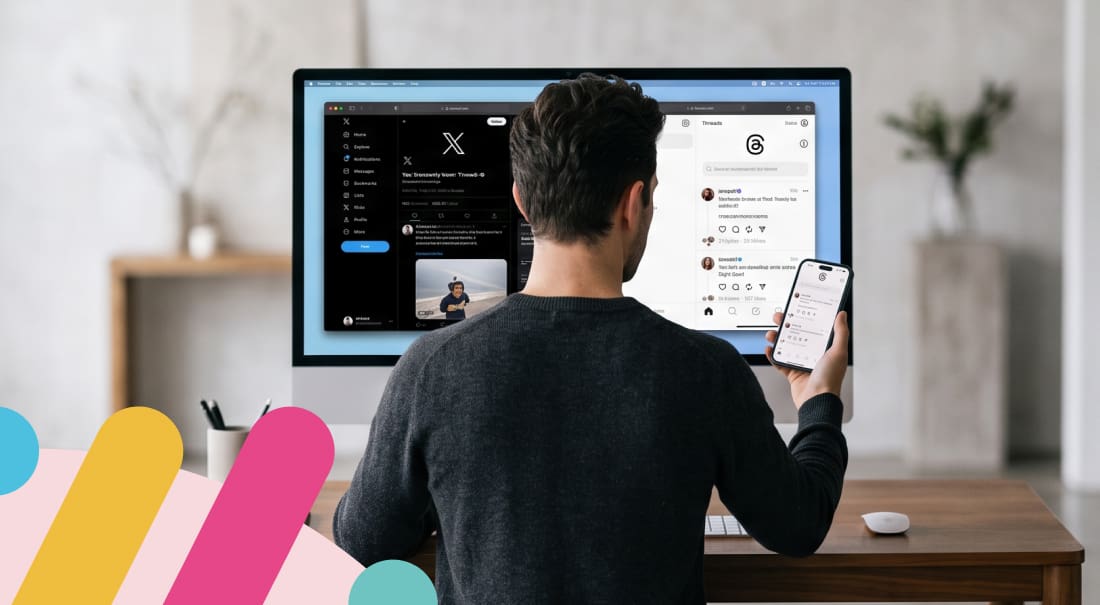
Threads vs. X in Japan: Strategy for Wellness Brands
Introduction: The Milestone and the Reality Check The Global Shift The headline is hard to ignore. New Similarweb estimates reported by TechCrunch show Threads at 141.5 million daily active users on iOS and Android as of January 7, 2026, compared with 125 million for X. It is a meaningful milestone, and a prompt to revisit channel roles rather than chase the latest narrative. Platform shifts rarely create clean substitutions, especially for health and wellness brands. They usually redistribute attention across
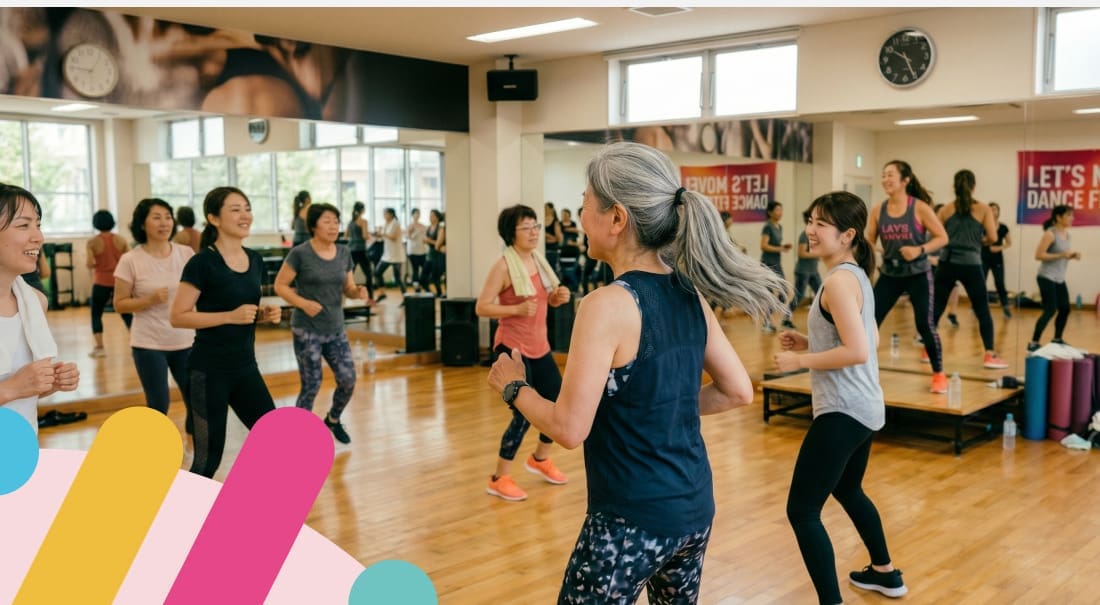
Looking Ahead: From Healthcare to Lifestyle in Japan’s Wellness Market
Introduction Japan’s wellness market is evolving quickly, and the shift goes well beyond rising interest in health products alone. The category is being reshaped by connected devices, preventive care, changing expectations around daily wellbeing, and a broader view of what it means to live well. For global brands, that makes Japan a market worth watching, especially as consumer behavior, technology, and long-term demographic change continue to converge. This article draws on findings presented in a Nikkei xTREND report based on
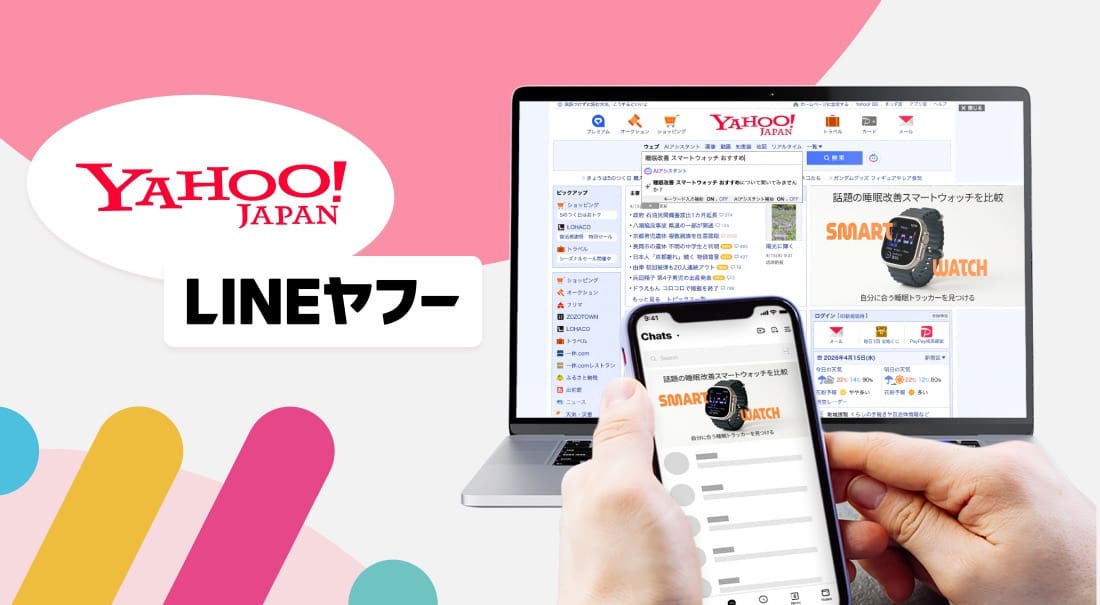
Yahoo Japan Ads for Health & Wellness Brands
Introduction: Why This Topic Matters Japan’s health and wellness market continues to attract attention from brand teams because the demand drivers are structural rather than short term. Japan’s population is aging, with people aged 65 and over accounting for 29.3% of the total population as of October 1, 2024. At the same time, the Ministry of Health, Labour and Welfare continues to promote data-based health management and preventive-health initiatives, reinforcing a market environment where self-care, supplements, skincare, recovery, and adult
Recovery Wear in Japan: Where Fashion and Preventive Healthcare Converge
Wellness Innovation in Japan Looks Different The global wellness and wearables market has become increasingly crowded, dominated by fitness trackers, performance metrics, and app-driven optimization. In many Western markets, wellness innovation is framed around tracking, measuring, and improving performance, often requiring constant user engagement, an approach that has led to fatigue, data overload, and declining long-term adoption. Japan presents a contrasting model. Rather than focusing on dashboards and devices, Japanese wellness innovation is often embedded quietly into everyday life, with
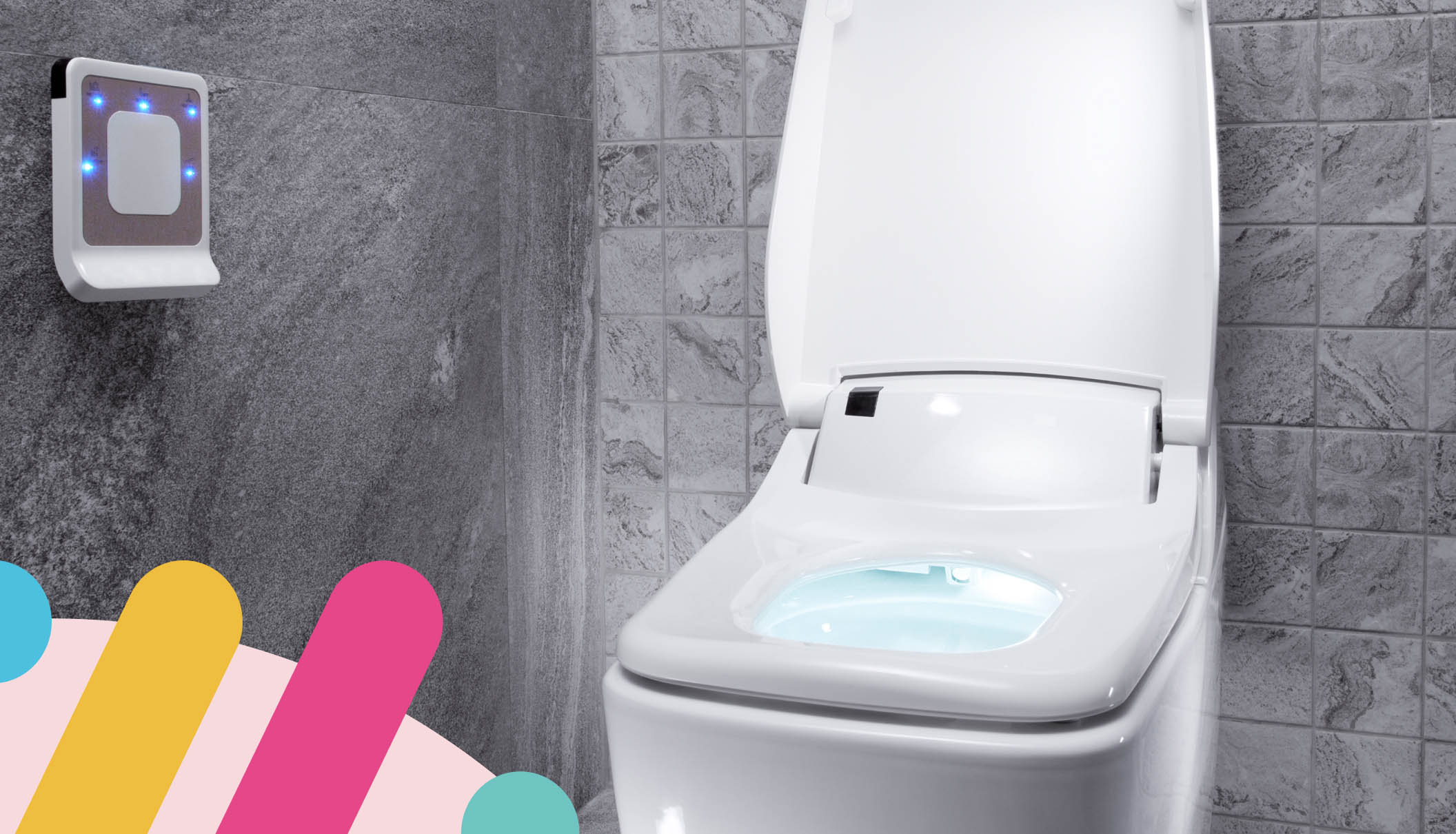
Embedded Health: Prevention Through Hygiene in Japan’s Toilet Innovation
Introduction: Cleanliness as an Invisible Health System Globally, conversations about health innovation tend to focus on apps, wearables, telemedicine platforms, and clinical tools. These models assume that users must actively engage, adopt new behaviors, and consciously participate in their own monitoring. While effective in many contexts, this approach reflects a particular view of healthcare as something that happens outside everyday life, activated through devices, interfaces, and moments of deliberate attention. In Japan, many health-adjacent innovations follow a different logic. Rather
Sleepless in Japan: The Sleep Quality Growth Opportunity
Japan’s sleep problem is becoming a market opportunity Japan has long been associated with demanding work schedules, lack of sleep, and long commutes. In a survey of 33 OECD countries cited by the Ministry of Health, Labour and Welfare, Japanese people had the shortest average sleep duration, with 37.5% of men and 40.6% of women sleeping fewer than six hours a night. But the issue is no longer being viewed as simply a lack of sleep. Sleep is increasingly being
Lifestyle-First: How Japan Approaches Wellness
Wellness marketing has traditionally focused on the product, including its ingredients, features, functions, and measurable benefits. Those fundamentals still matter, particularly in Japan, where consumers expect quality, safety, credible evidence, and clear information, but they are increasingly only part of the overall value proposition. Consumers are also considering how a product fits into the life they want to lead. They may be looking for a calmer evening routine, a more balanced workday, an easier way to eat well, or a
Japan Hotel Amenity Partnerships for Wellness Brands
The regular appearance of premium skincare, fragrance, and fitness brands in high-end hotels isn’t accidental. Hospitality has become a structured brand-discovery channel, supported by suppliers such as Hunter Amenities, which offers hotel collections from Le Labo, and Vanity Group, whose portfolio includes Grown Alchemist. These partnerships place products where guests have a practical reason to use them. For international health and wellness brands, hotel amenity partnerships in Japan can create product trial, awareness, B2B revenue, and consumer demand without requiring
Threads vs. X in Japan: Strategy for Wellness Brands
Introduction: The Milestone and the Reality Check The Global Shift The headline is hard to ignore. New Similarweb estimates reported by TechCrunch show Threads at 141.5 million daily active users on iOS and Android as of January 7, 2026, compared with 125 million for X. It is a meaningful milestone, and a prompt to revisit channel roles rather than chase the latest narrative. Platform shifts rarely create clean substitutions, especially for health and wellness brands. They usually redistribute attention across
Looking Ahead: From Healthcare to Lifestyle in Japan’s Wellness Market
Introduction Japan’s wellness market is evolving quickly, and the shift goes well beyond rising interest in health products alone. The category is being reshaped by connected devices, preventive care, changing expectations around daily wellbeing, and a broader view of what it means to live well. For global brands, that makes Japan a market worth watching, especially as consumer behavior, technology, and long-term demographic change continue to converge. This article draws on findings presented in a Nikkei xTREND report based on
Yahoo Japan Ads for Health & Wellness Brands
Introduction: Why This Topic Matters Japan’s health and wellness market continues to attract attention from brand teams because the demand drivers are structural rather than short term. Japan’s population is aging, with people aged 65 and over accounting for 29.3% of the total population as of October 1, 2024. At the same time, the Ministry of Health, Labour and Welfare continues to promote data-based health management and preventive-health initiatives, reinforcing a market environment where self-care, supplements, skincare, recovery, and adult
Recovery Wear in Japan: Where Fashion and Preventive Healthcare Converge
Wellness Innovation in Japan Looks Different The global wellness and wearables market has become increasingly crowded, dominated by fitness trackers, performance metrics, and app-driven optimization. In many Western markets, wellness innovation is framed around tracking, measuring, and improving performance, often requiring constant user engagement, an approach that has led to fatigue, data overload, and declining long-term adoption. Japan presents a contrasting model. Rather than focusing on dashboards and devices, Japanese wellness innovation is often embedded quietly into everyday life, with
Embedded Health: Prevention Through Hygiene in Japan’s Toilet Innovation
Introduction: Cleanliness as an Invisible Health System Globally, conversations about health innovation tend to focus on apps, wearables, telemedicine platforms, and clinical tools. These models assume that users must actively engage, adopt new behaviors, and consciously participate in their own monitoring. While effective in many contexts, this approach reflects a particular view of healthcare as something that happens outside everyday life, activated through devices, interfaces, and moments of deliberate attention. In Japan, many health-adjacent innovations follow a different logic. Rather