
Wellness marketing has traditionally focused on the product, including its ingredients, features, functions, and measurable benefits. Those fundamentals still matter, particularly in Japan, where consumers expect quality, safety, credible evidence, and clear information, but they are increasingly only part of the overall value proposition.
Consumers are also considering how a product fits into the life they want to lead. They may be looking for a calmer evening routine, a more balanced workday, an easier way to eat well, or a sustainable approach to movement and self-care. The product remains important, but so do the routines, feelings, and experiences that surround it.
For international wellness brands entering or expanding in Japan, this creates an important strategic question. If it is no longer enough to explain what a product does, what do brands also need to do to show how it contributes to a credible, desirable, and repeatable way of living.
A large market shaped by daily life
Japan’s health and wellness market is already substantial. The IMARC Group estimates that the sector was worth USD 214.5 billion in 2025 and forecasts that it will reach USD 291.6 billion by 2034. Its market definition includes functional foods and beverages, beauty and personal care, preventive health products, fitness, nutrition, and other categories supporting physical and emotional wellbeing.
However, the scale of the market is only part of what makes Japan attractive to wellness brands. Wellness is also closely connected to prevention, balance, quality, convenience, seasonality, and long-term self-maintenance.
As Pulse noted in a previous insight on Japan’s shift from healthcare toward a broader lifestyle-focused wellness market, the category increasingly extends into everyday habits, emotional balance, services, technology, and wider quality of life. Brands are therefore competing not only on product performance, but also on how effectively they support everyday living.
From selling a product to supporting a lifestyle
Product-first marketing usually begins with practical questions. What is the product? What ingredients does it contain? What function does it provide, and how does it differ from competing offers?
Lifestyle-first marketing adds a broader set of questions about the consumer’s life. When would the product be used? What routine does it improve? What feeling does it support? Why would someone continue using it?
In this way, a fitness apparel brand may help consumers imagine a more active and confident daily life, or a skincare or supplement brand may support a sense of care, consistency, or control. These lifestyle associations do not make the product secondary, rather, they give its functional value a clearer and more personally relevant role.
The strongest wellness brands should therefore try to communicate both sides of the proposition, i.e., explain what the product does and show how it fits into the consumer’s day.
A culture of maintenance, balance, and experience
Global wellness campaigns often emphasize optimization, athletic performance, physical transformation, or becoming a new and improved version of oneself. These ideas can work in Japan, but direct transplantation may feel overly forceful or disconnected from local expectations.
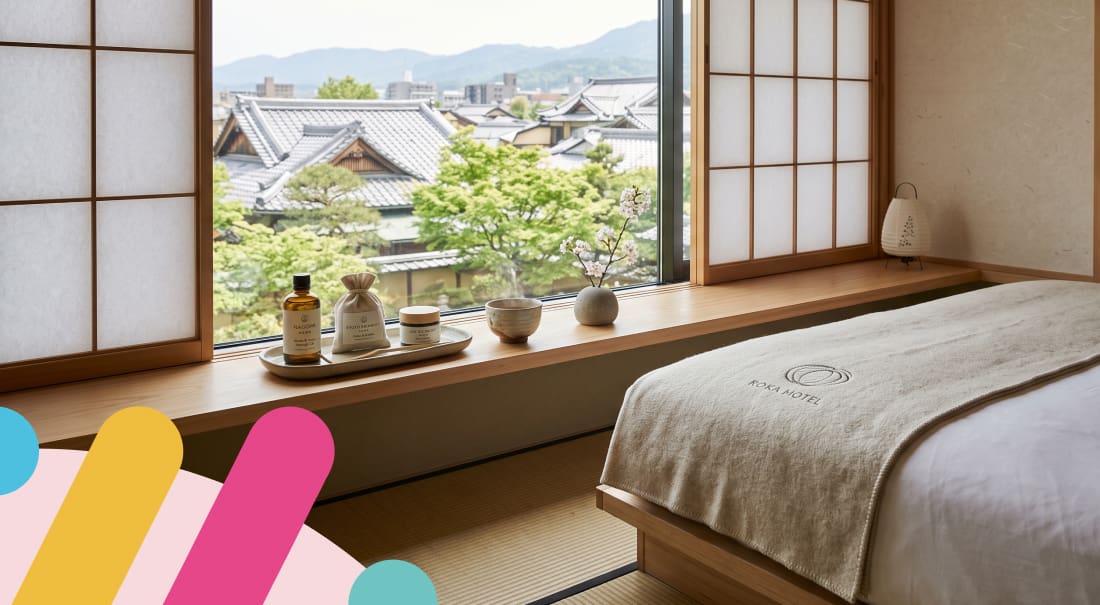
Japanese wellness culture frequently places greater emphasis on restoring, maintaining, and balancing. Onsen bathing, for example, combines physical relaxation with environment, etiquette, cleanliness, and a deliberate pause from daily demands. Japan presents onsen culture as a deeply rooted practice associated with relaxation of both body and mind.

Washoku offers another useful reference point. Japan’s Ministry of Agriculture, Forestry and Fisheries describes traditional Japanese food culture as a set of customs shaped by respect for nature, regional diversity, and distinct seasons.
Brands should be careful not to reduce these practices to convenient marketing symbols. However, they illustrate a broader cultural tendency. Wellness in Japan is often understood through lived experience, continuity, care, and context rather than dramatic reinvention.
This doesn’t mean that ambition, performance, or self-improvement are irrelevant. It means that these themes may need to be expressed through a more balanced and sustainable idea of progress.
How wellness enters everyday consumption
This cultural emphasis on continuity is reflected in the way health-oriented consumption is spreading across Japanese retail.
An analysis of how wellness demand is reshaping retail categories in Japan describes health value being incorporated into familiar foods, drinks, prepared meals, snacks, and personal care products. These products are available through supermarkets, convenience stores, drugstores, and ecommerce rather than being confined to specialist health channels.
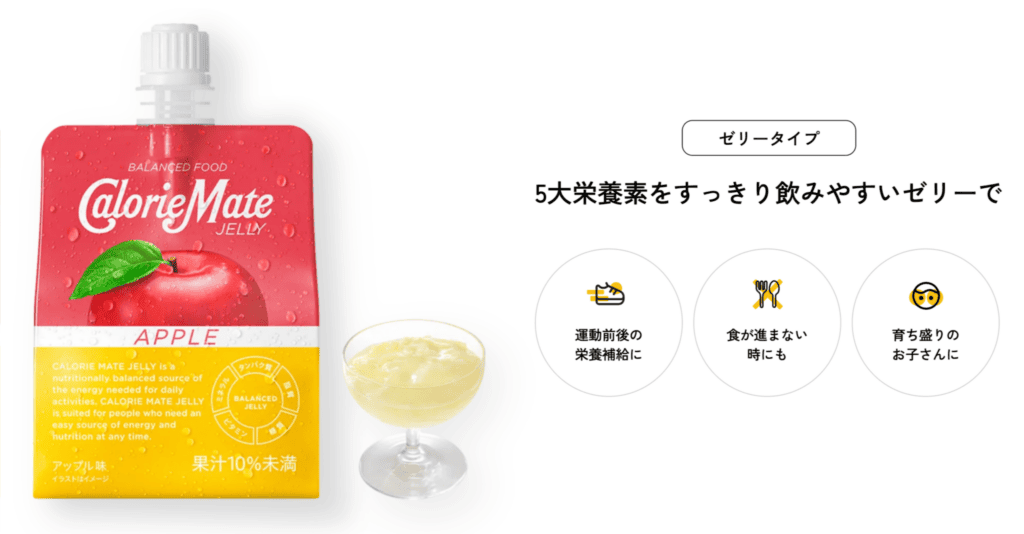
The appeal often lies not only in function, but also in ease of use. Consumers do not necessarily want every wellness purchase to feel like a major intervention or a demanding new commitment. In many categories, the stronger proposition is a familiar product that makes healthier behavior easier to maintain.
This is why lifestyle-first positioning is especially relevant in Japan. The strategic opportunity is not only to present wellness as an aspiration, but to make that aspiration practical and relatively simple to integrate into your daily life.
Daily moments create the opportunity
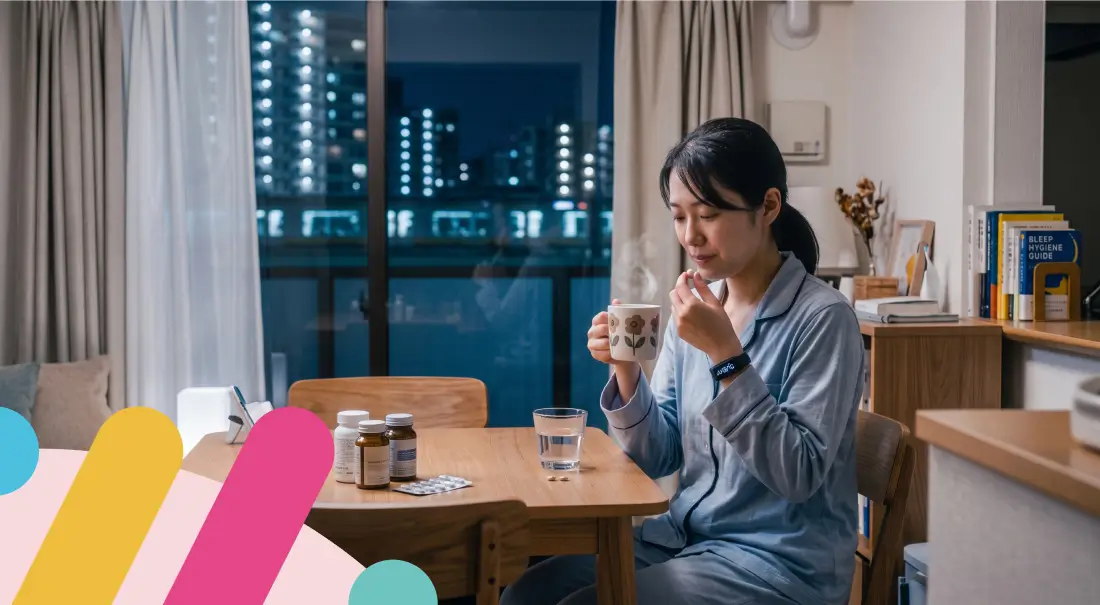
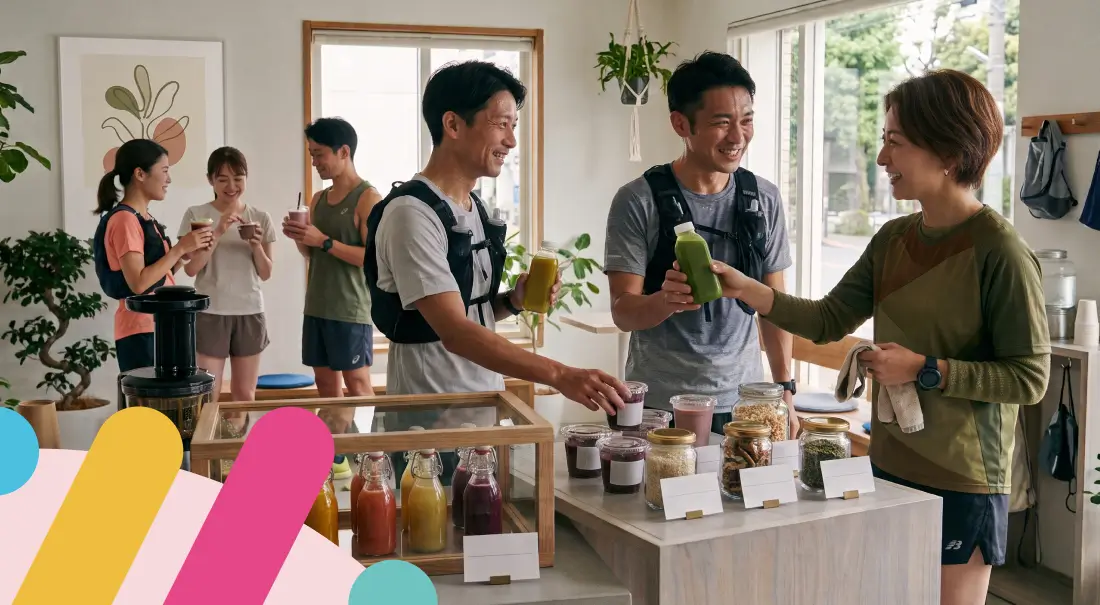
A wellness product becomes easier to understand when consumers can see where it belongs in their day. Relevant moments might include breakfast, the commute, a work break, the period after exercise, bath time, evening care, or sleep preparation.
These occasions turn an abstract benefit into a realistic behavior. Consumers can picture when they would use the product, what problem it addresses, and whether continued use would fit comfortably into their lives.
For marketers, this means moving beyond product explanation and showing how the offer fits into an existing or desired routine. A product should not only have a clear function. It should also have a recognizable place and purpose.
Why product-first messaging can underperform
Product details remain essential in Japan. Consumers may want to understand ingredients, origin, safety, evidence, price, dosage, convenience, and regulatory status before making a purchase.
Japan’s Foods with Function Claims framework also reinforces the importance of accurate information. Under the system described by the Consumer Affairs Agency, businesses must submit information on safety and effectiveness before a product enters the market. Function claims must be based on scientific evidence and are made under the business operator’s responsibility. The agency also makes clear that the government does not evaluate the safety and effectiveness of each product.
However, technically correct information may still feel abstract. A message that states only an ingredient or function does not necessarily tell the consumer when the product is useful, why it matters, or how it improves daily life.
Product facts establish trust. Lifestyle context gives those facts relevance.
Turning product benefits into lifestyle benefits
Effective lifestyle-first messaging connects three elements: the product benefit, the usage moment, and the wider lifestyle or emotional outcome.
A functional food can explain its nutritional value while showing how it makes balanced eating easier during a demanding day. A fitness service can present its training method while positioning movement as a sustainable part of everyday life. A personal care product can communicate its formulation while showing how it supports seasonal maintenance or a regular evening routine.
The strongest message should answer four questions:
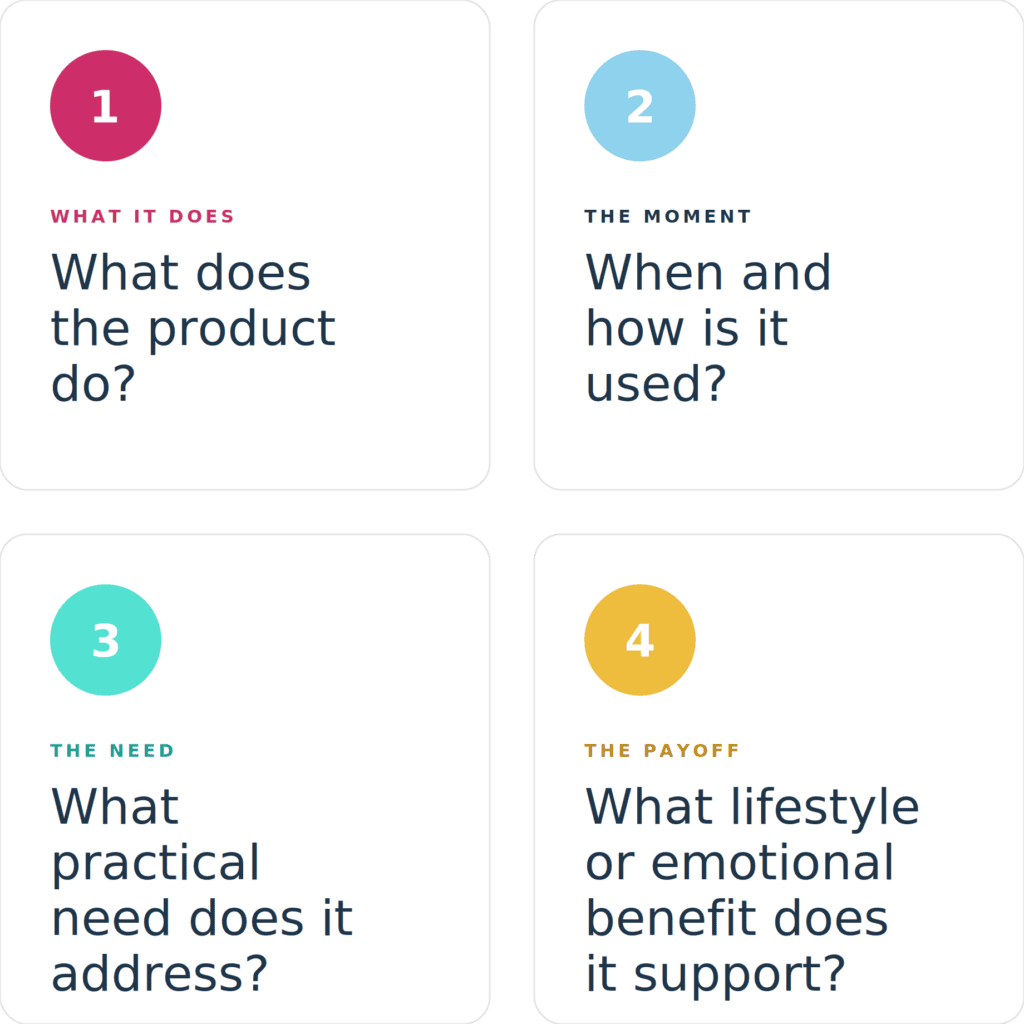
Lifestyle-first marketing is not about replacing facts with mood, imagery, or vague ideas about wellbeing. It is about making product facts meaningful within the consumer’s life.
What this changes across marketing
Lifestyle-first positioning should influence the whole marketing system rather than copywriting alone.
Content should be built around routines, occasions, seasonal needs, and realistic use cases. Social media should show products being used naturally, while retail communication should make the product’s role clear at the point of purchase. Ecommerce pages can connect specifications and evidence with practical guidance about when and how the product fits into daily life.
Creator selection also requires a different approach. Reach still matters, but believable product use, audience trust, and lifestyle relevance may be more valuable than scale alone. A creator who already demonstrates an appropriate routine can make the product feel like a natural addition rather than a temporary sponsorship.
Consistency across channels is important. The lifestyle shown in advertising should match the product experience, creator activity, retail presentation, and educational content. Otherwise, lifestyle positioning can feel decorative rather than credible.
The objective is not only to generate a first purchase, but to establish a believable place for the brand in everyday life.
A practical framework for Japan
International wellness brands can apply a lifestyle-first approach through four connected decisions.
- Define the lifestyle.
Clarify the kind of life the brand helps consumers maintain or work toward. This might be calmer, more active, more balanced, more consistent, or more preventive. - Identify the usage moment.
Determine where the product fits naturally, whether that is breakfast, the commute, exercise, bathing, evening care, sleep preparation, or another recurring occasion. - Connect evidence to lived benefit.
Explain what the product does, then show how that function improves a practical moment or supports a repeatable behavior. - Apply the positioning consistently.
Align content, creators, retail communication, ecommerce, and customer experience around the same credible lifestyle proposition.
The emotional tone also needs to be localized. Depending on the category and audience, communication in Japan may benefit from feeling calm, useful, refined, and balanced rather than overly forceful or transformational.
Sell the life around the product
Japan offers significant opportunities for international wellness brands, but market size does not remove the need for careful positioning. Brands cannot assume that product features, translated claims, or global campaign assets will communicate sufficient value on their own.
The strongest strategies connect product quality and evidence with routine, culture, convenience, and lived experience. They explain what a product does, but they also make clear when it is used, why it matters, and how it supports a way of living that feels both desirable and achievable.
For wellness brands entering Japan, the question is no longer only what a product does. The stronger strategic question is what kind of life it helps consumers sustain.
For wellness brands considering how to translate product value into a culturally relevant lifestyle strategy for Japan, Pulse Marketing can help connect positioning, content, creators, and channels into a coherent market approach.