
Japan’s sleep problem is becoming a market opportunity
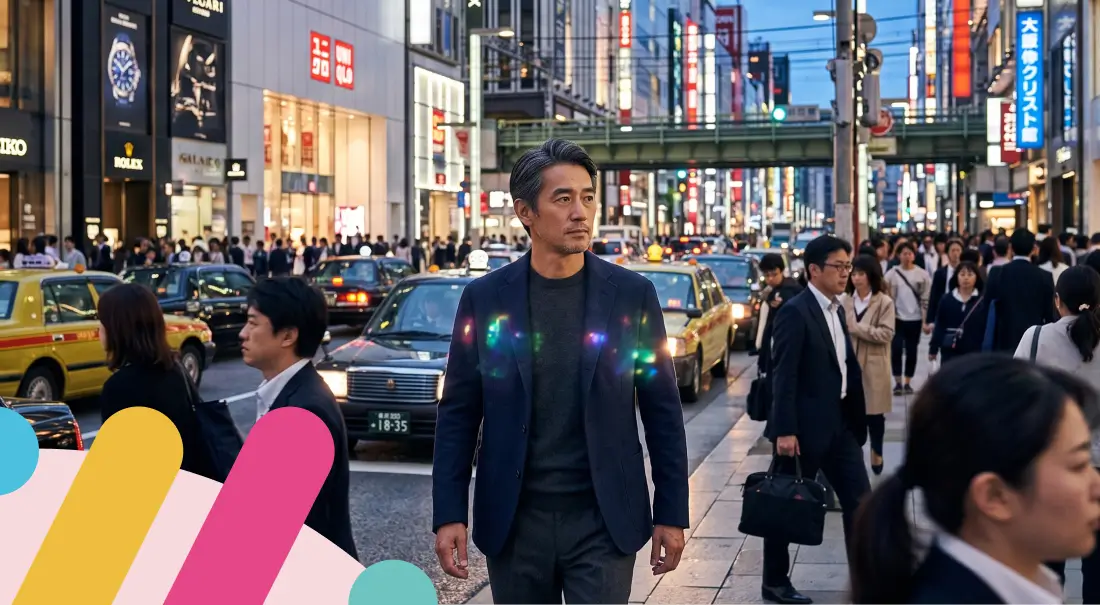
Japan has long been associated with demanding work schedules, lack of sleep, and long commutes. In a survey of 33 OECD countries cited by the Ministry of Health, Labour and Welfare, Japanese people had the shortest average sleep duration, with 37.5% of men and 40.6% of women sleeping fewer than six hours a night.
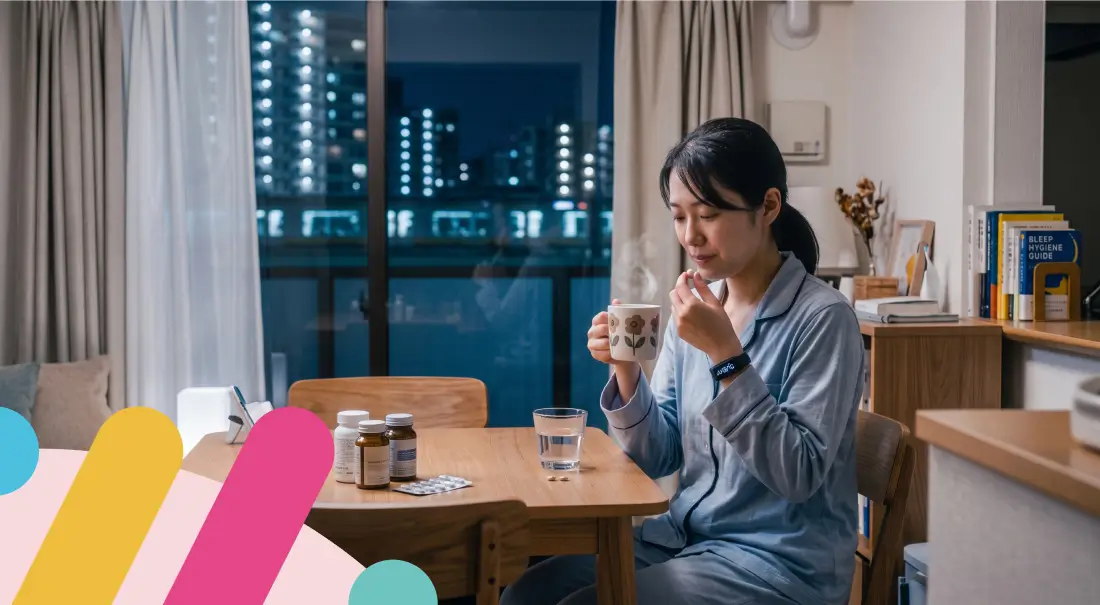
But the issue is no longer being viewed as simply a lack of sleep. Sleep is increasingly being linked to preventive wellness, stress recovery, workplace performance, home comfort, and quality of life, and as a result, the market for sleep-related products is expanding beyond conventional mattresses and pillows. Apps, wearables, smart bedding, sensors, relaxation content, power-nap products, sleep-friendly housing, and employee wellness services are all becoming part of the story. While this may create opportunities for foreign brands, product innovation alone is unlikely to be enough, and success will also depend on education, locally relevant positioning, and credible evidence.
Sleep is gaining institutional recognition
In June 2026, Japan took a notable step toward giving sleep-related health concerns greater visibility. The Ministry of Health, Labour and Welfare amended the relevant rules so that “sleep disorder” could be combined with permitted medical department names from June 1. According to the Asahi Shimbun, this change does not amount to a medical endorsement of commercial sleep products, but it does make sleep-related conditions more visible within Japan’s healthcare environment.
For marketers, the change matters beyond healthcare policy because, as sleep problems become easier to discuss openly, consumers may also become more willing to learn about sleep quality, daily habits, and products that could support better rest. This creates a stronger foundation for responsible, education-led marketing. Brands should still avoid unsupported medical claims, but they may find audiences increasingly receptive to clear and practical information about sleep.
The sleep-tech market is forecast to grow
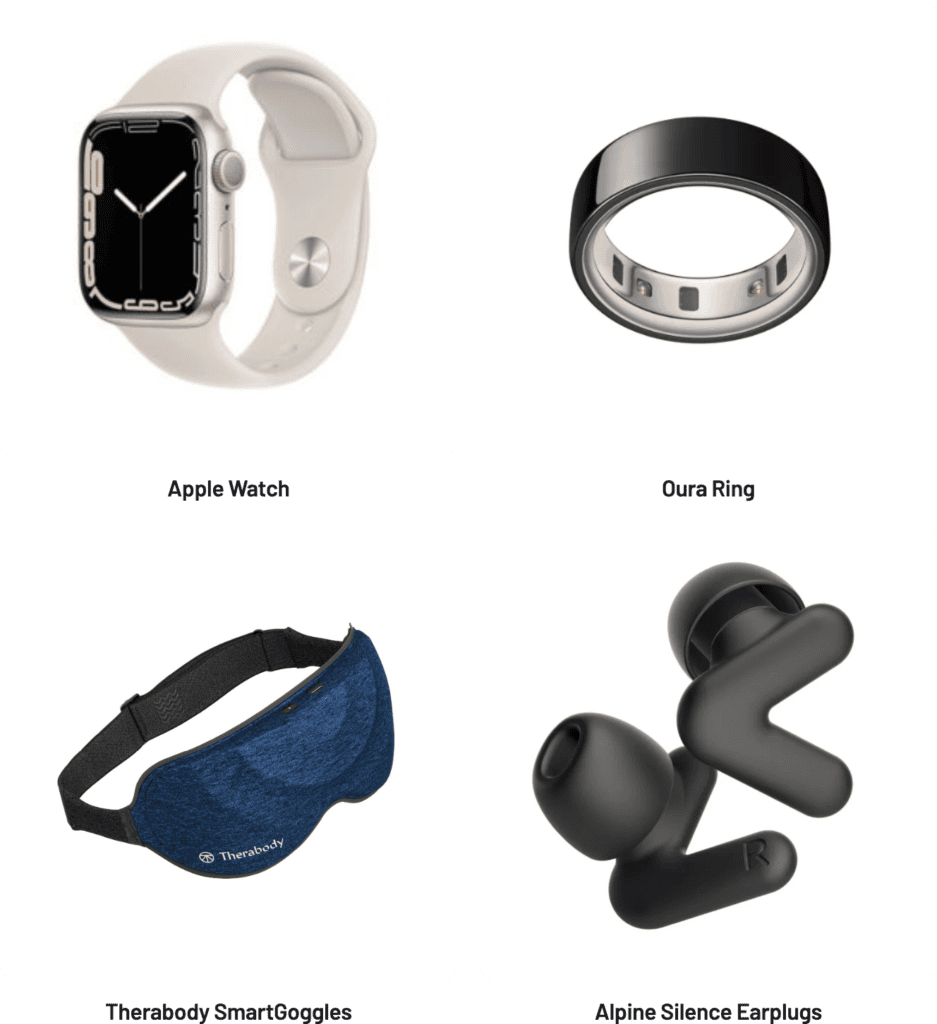
Yano Research Institute estimated Japan’s domestic sleep-tech market at ¥9.5 billion in 2023 and forecasts that it will reach ¥16 billion by 2027. Its definition covers products and services that use IT, AI, sensors, apps, and biological data to measure sleep patterns and support improvement. Relevant categories include smartphone apps, wristbands, ring-type devices, headsets, bedding sensors, and information and communications technology (ICT)-enabled bedding.
These estimates need some context because Yano’s calculations are based on fees for services, system usage, and apps, and ordinary bedding without ICT functions is excluded. It is therefore a focused measure of sleep tech rather than the entire Japanese sleep economy. Even so, the forecast shows that the category is moving well beyond traditional bedding, with healthcare companies, electronics manufacturers, ICT providers, medical-device businesses, universities, and startups all getting involved.
This broader market creates opportunities for foreign brands across technology, recovery, relaxation, smart-home products, hospitality, and related wellness services. At the same time, it means that competitors may come from outside a brand’s usual product category, making it important to understand the wider market rather than focusing only on direct product rivals.
Innovation is moving beyond the bedroom
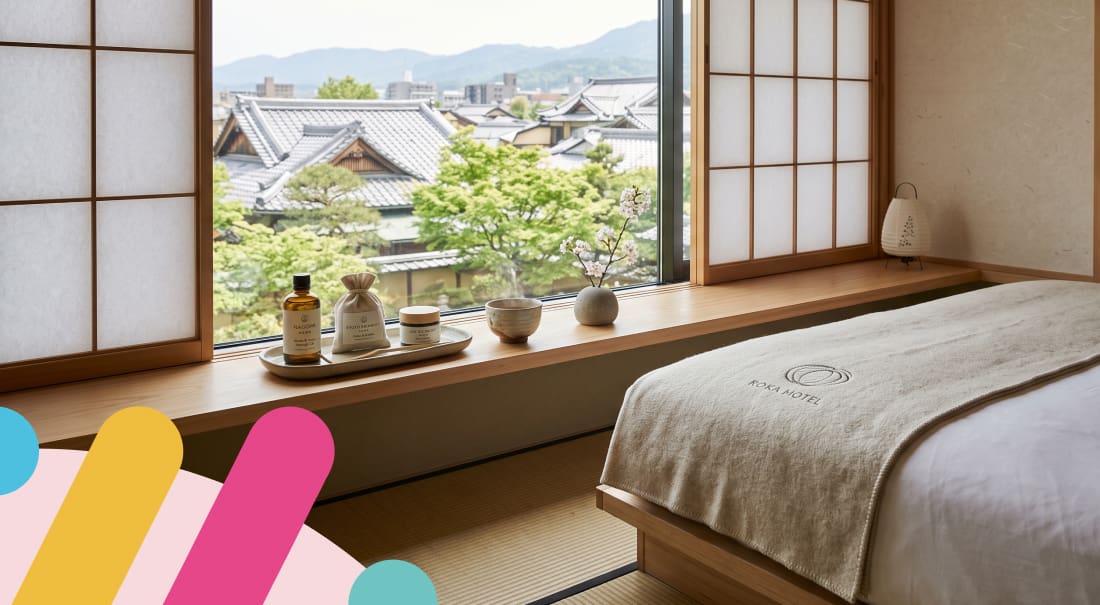
Recent reporting by The Washington Post shows how varied Japan’s sleep ecosystem has become, with examples including standing nap boxes for offices, sensor-equipped capsule hotels, smart mattresses that respond to movement, and housing concepts that adjust lighting, temperature, and humidity. Together, these products show how sleep innovation is moving into workplaces, hotels, homes, and other parts of daily life.
The same shift can be seen at Japanese trade events. Health & Wellness Japan 2026 created a dedicated sleep-tech showcase featuring connected mattresses, sleep apps, recovery wear, AI-assisted pillows, and products designed to improve the sleep environment, while Interop Tokyo 2026 presented a sleep-tech experience lounge for IT engineers that connected better rest with focus, health, and work performance.
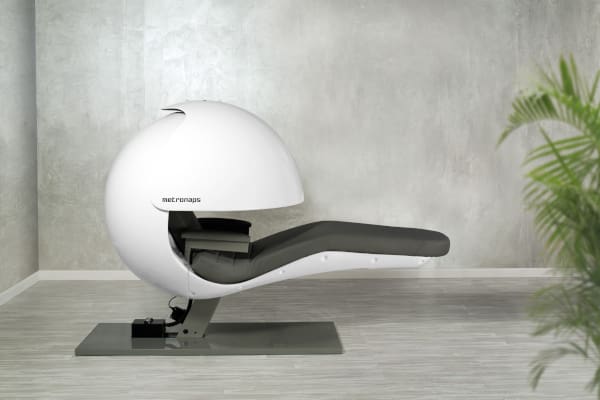
These examples show that sleep is becoming a broader lifestyle and environment category, not just a bedroom-product category. Foreign brands should therefore explain how their product fits into real Japanese routines, including commuting, office work, small living spaces, humid summers, and the need to unwind after long days.
From sleep products to daily recovery
Many consumers know they feel tired, but they may not know what is affecting their sleep or which product could help. A feature-led message such as “advanced sensor technology” may therefore be less persuasive than a simple explanation of the value that technology provides in everyday life.
Positioning should connect sleep support with practical outcomes, such as a more comfortable bedtime routine, better mornings, easier recovery after work, a calmer transition into sleep, or a clearer understanding of personal habits. These benefits should be described carefully and without suggesting guaranteed health outcomes.
This translation from features to daily life is especially important for foreign brands without strong name recognition in Japan because, before consumers are asked to buy, they need to understand what the product does, how they would use it, why it is relevant, and what a realistic improvement might look like.
Entertainment can lower the barrier
Yano Research highlights the “entertainmentization” of sleep, with games, music, reading, and story-based content making sleep improvement more approachable. This matters because not every potential customer is actively seeking a health solution, and younger users or less health-conscious audiences may be more willing to engage when sleep support feels enjoyable, calming, or easy to add to an existing routine. A relaxation app, for example, may attract users through music or stories before they begin to think more seriously about their sleep habits.
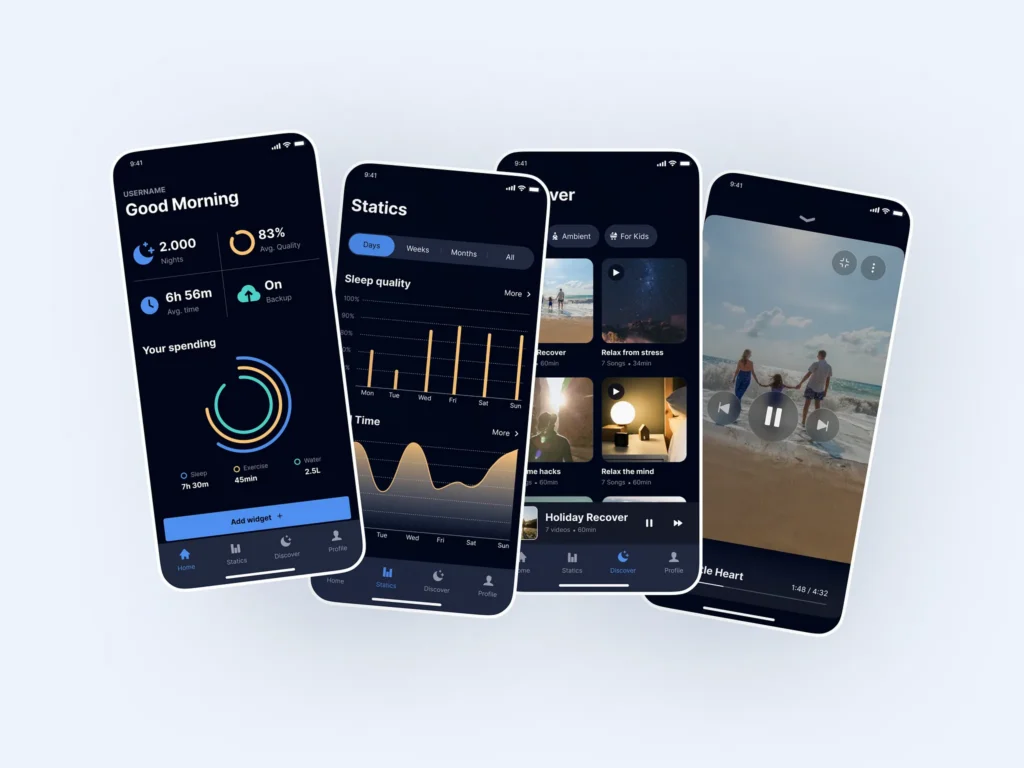
Entertainment can also support retention because a sleep app that only displays scores may lose its appeal once the initial novelty fades. Content, progress features, relaxing audio, stories, and personalized routines can all give users a reason to return. The aim is not to make light of sleep problems, but to make improvement feel less imposing and easier to adopt into daily life, while still explaining the purpose and limitations of the service.
Corporate wellness is a B2B opportunity
Yano identifies corporate sleep services as an important growth area, particularly in relation to health management, productivity, and employee risk reduction. Potential offers include sleep education, apps, analysis services, seminars, nap environments, relaxation tools, and programs that fit into wider employee wellness initiatives. However, B2B positioning requires restraint because a product should not promise a direct increase in productivity unless strong evidence supports that claim. Instead, brands can present sleep as one part of employee health, fatigue awareness, and sustainable performance.
Data handling will also be important because sleep information is sensitive, and Yano notes that privacy protection, long measurement periods, and employer understanding may all affect adoption. Foreign providers should explain what data is collected, who can see it, how it is anonymized, and whether individual results could influence employment decisions. In Japan, a clear privacy explanation may be just as important as the product demonstration itself.
Trust and evidence must be part of the marketing
The Washington Post also examined expert concerns that many sleep products have not undergone rigorous scientific testing and that results can vary from person to person, which makes trust an important market-entry issue. Sleep is highly personal, and consumers may be cautious about unfamiliar devices or products that appear close to healthcare. Brands therefore need to build trust throughout the customer journey rather than treating it as something that happens only at the point of purchase.
Useful proof points can include clear explanations of how the product works, well-described research, expert supervision, relevant certifications, Japanese user feedback, and realistic guidance on what users can expect. Claims such as “guaranteed better sleep” should generally be avoided in favor of less pushy and calmer language, especially when a product sits close to healthcare. Brands should also make a clear distinction between general wellness support and medical diagnosis or treatment, while seeking local regulatory advice where necessary.
How foreign brands should localize sleep marketing
As with any effective localization strategy, sleep marketing in Japan should reflect both the language consumers use and the realities of their everyday lives. Global messaging should not simply be transferred into the market unchanged. Visuals should feel clean, calm, and realistic, while product photography should show credible Japanese homes and workplaces rather than idealized bedrooms that bear little resemblance to local living spaces.
Messaging should focus on practical value, such as comfort during humid nights, recovery after long workdays, easier evening routines, better mornings, and support for ongoing well-being, as these benefits are likely to feel more relevant than aggressive promises of personal transformation. Japanese-language copy should explain unfamiliar ideas clearly instead of relying on direct translation, while landing pages and advertising should begin with the consumer’s problem, show how the product works, and answer common questions about evidence, setup, data, maintenance, and customer support.
A simple market-entry funnel can help:
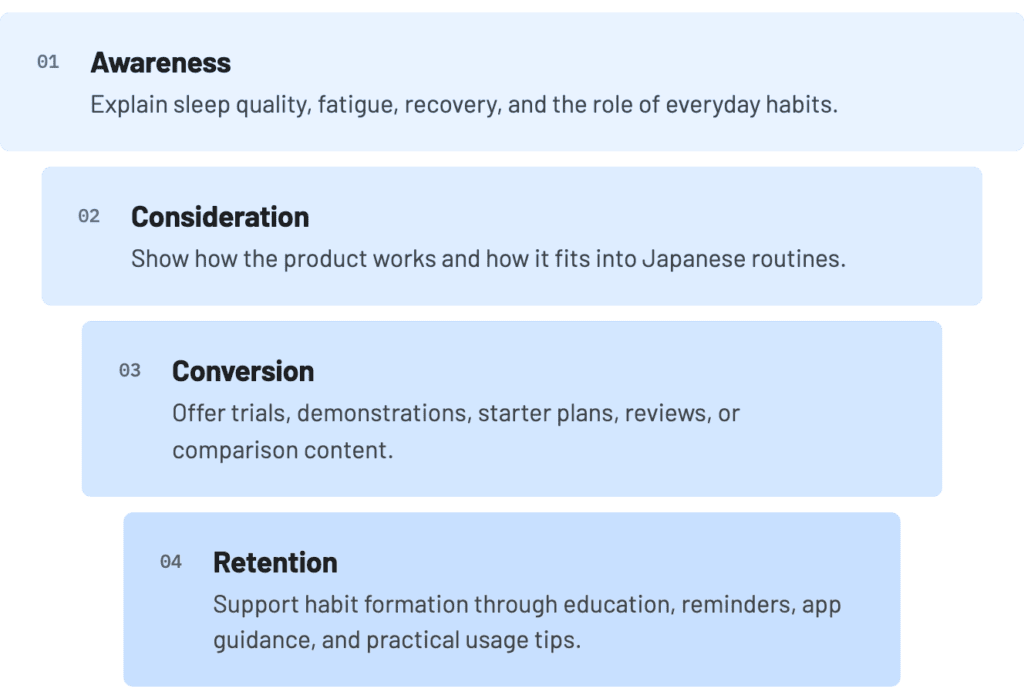
The first objective should often be to build understanding and trust rather than to drive an immediate conversion. Many sleep products depend on repeated use, so customer education after purchase is also part of the marketing strategy.
Japan’s sleep market offers opportunity, but strategy matters
Japan’s sleep market is growing as consumers and companies pay closer attention to the links between rest, health, work performance, home comfort, and quality of life. The category now extends beyond mattresses and pillows to include apps, devices, digital content, workplace programs, and other services designed to support better rest and recovery.
Foreign brands may have strong products to offer, but success will depend on showing how those products fit into daily life in Japan. Clear explanations, realistic benefits, credible evidence, responsible data handling, and support for long-term use will all matter. For sleep and wellness brands considering market entry or growth in Japan, Pulse Marketing can help develop locally grounded positioning, content, and go-to-market strategies.